Page History
...
HARD TO READ, EASY TO SEE
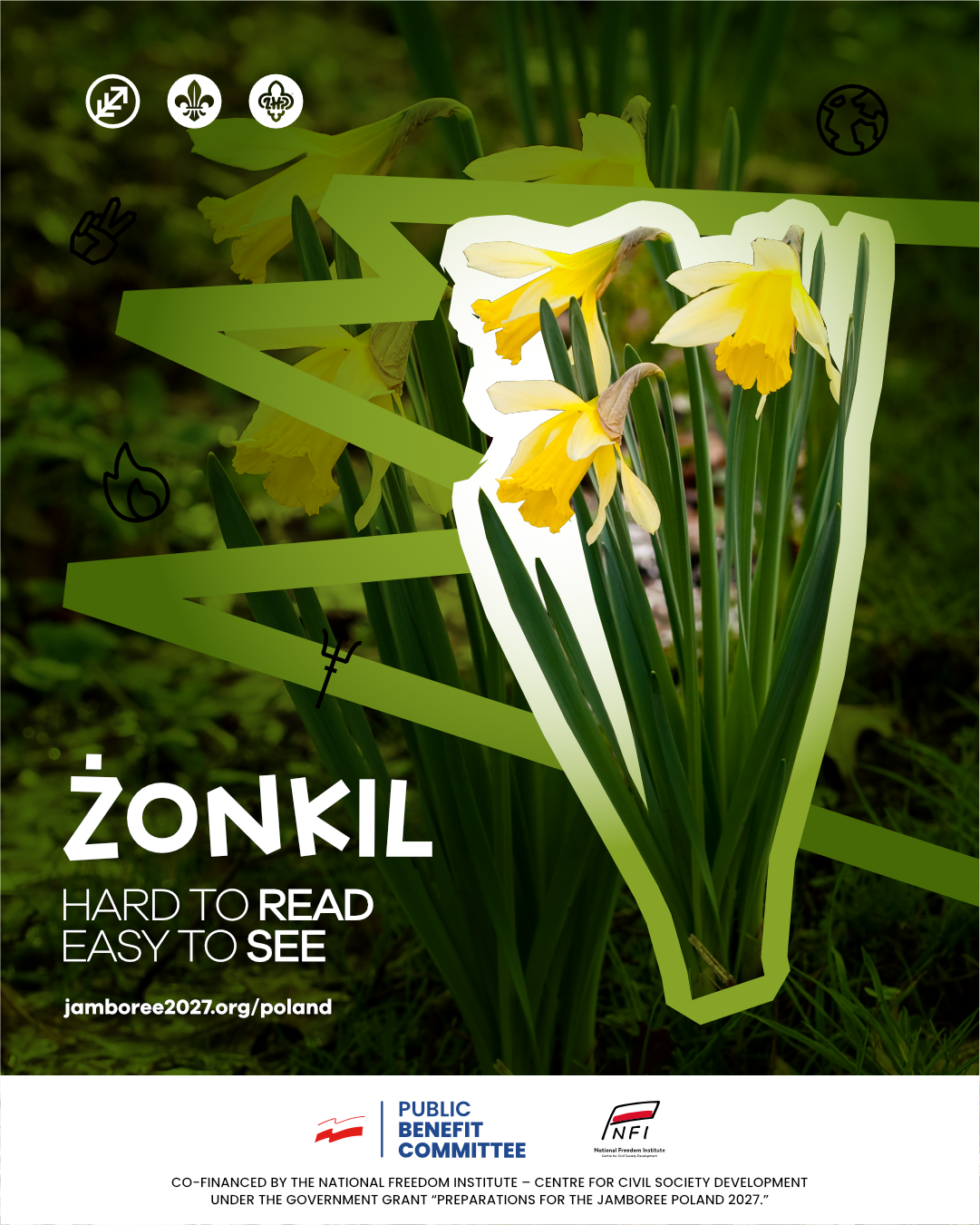
| The word żonkil may sound unusual, yet it carries deep meaning in Polish culture. Every spring, bright yellow daffodils bloom across the country as living symbols of remembrance and hope. They are worn to honour the bravery of those who stood up for freedom and dignity during Poland’s most difficult times. To Poles, the żonkil is more than a flower - it’s a gentle reminder that from pain, new life and light can grow. It fills the streets with colour, memory and gratitude. |
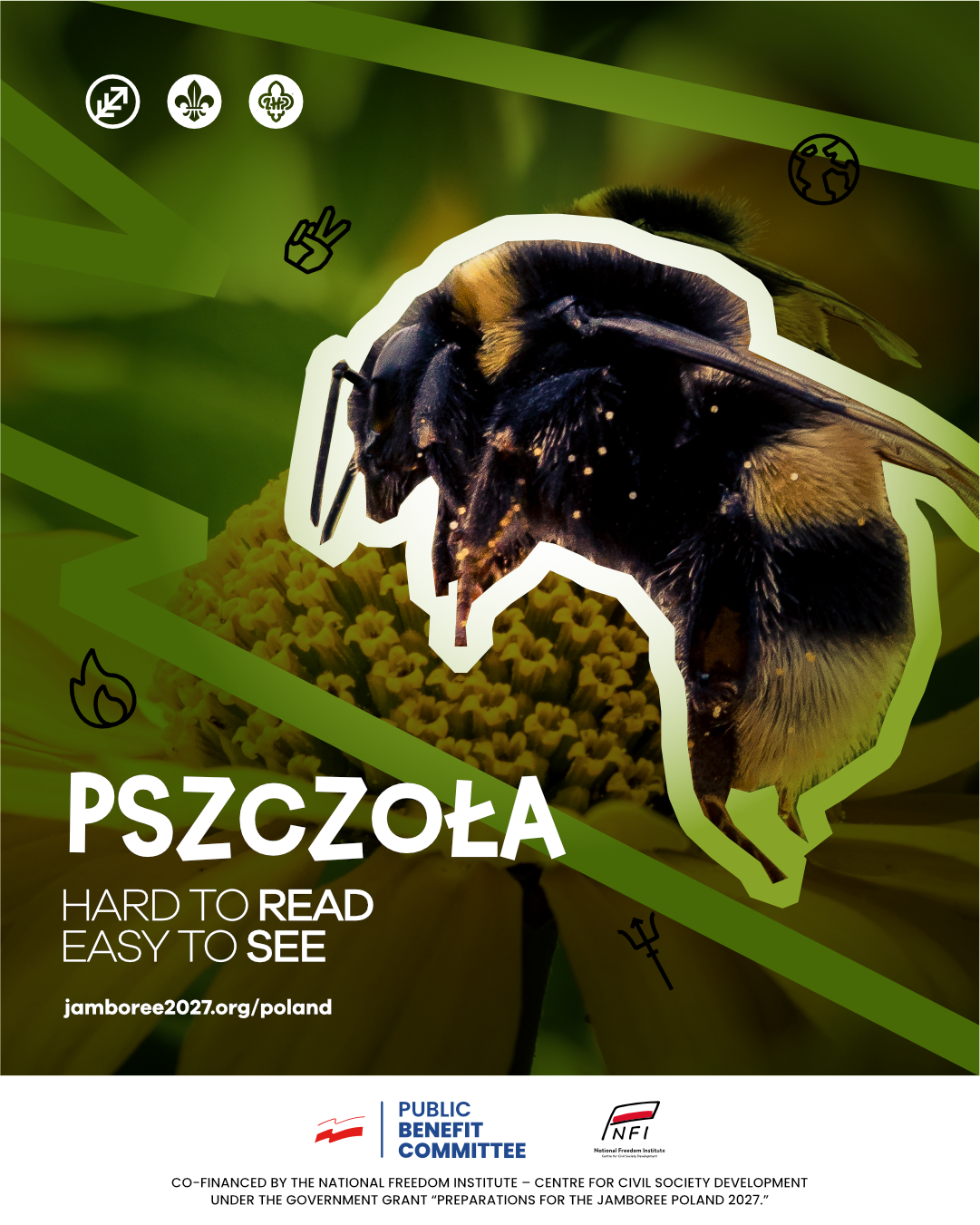
| The pszczoła - the bee - is small, yet it hums at the very heart of Polish life. Its golden honey sweetens traditional desserts, while its image decorates folk art and embroidery from the Tatra Mountains to the Baltic coast. The bee symbolises hard work, community and harmony with nature - values deeply rooted in Polish identity. In every buzzing meadow, it reminds us that beauty and strength often come in the smallest forms. |
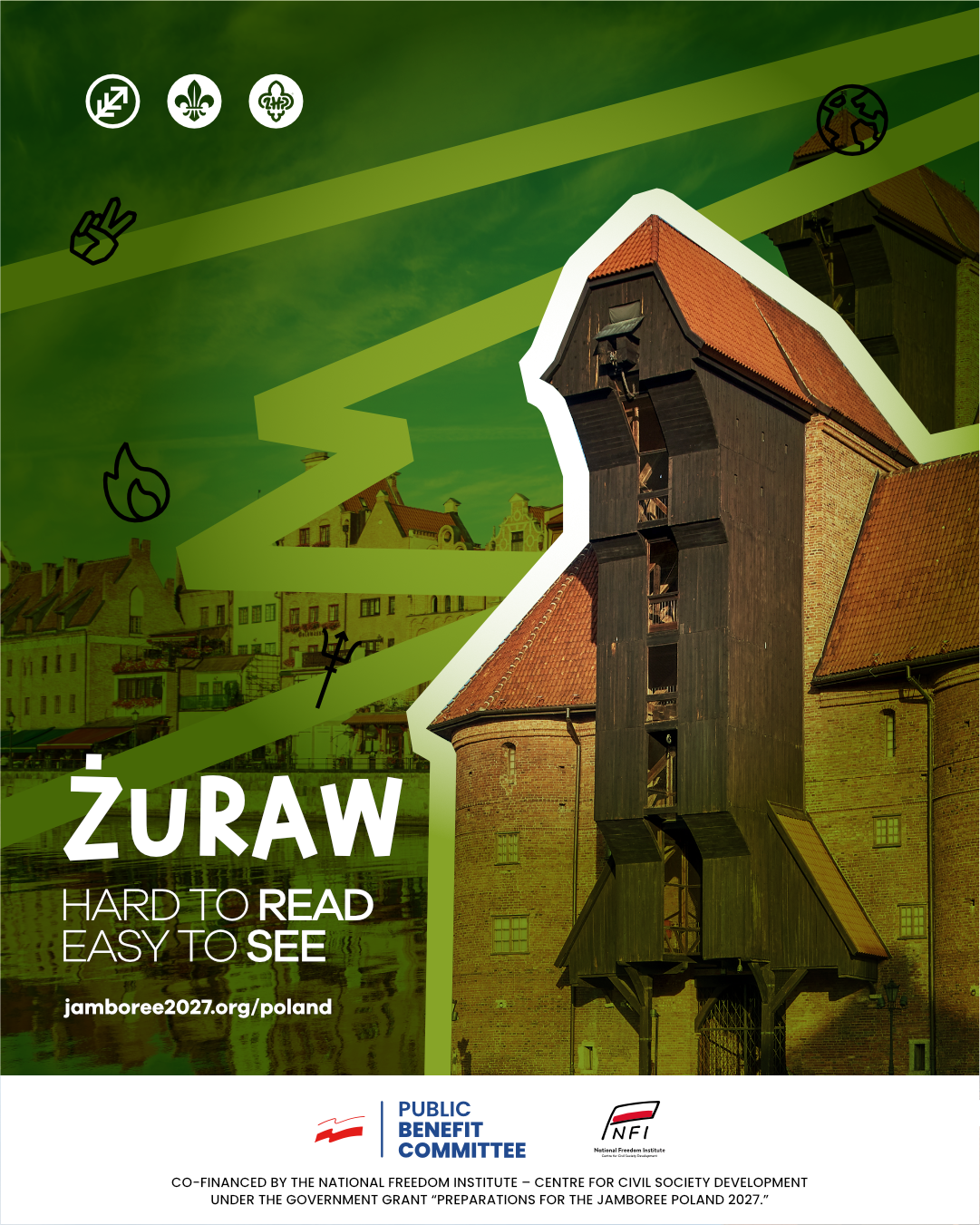
| The Żuraw of Gdańsk is one of Poland’s most iconic landmarks - a great wooden port crane that once ruled the Baltic shoreline. Built in the 15th century, it served as both a working machine and a gateway to the world, lifting goods and dreams from distant shores. Through wars, fires and rebirth, the Żuraw has stood proudly over the Motława River, a symbol of Polish ingenuity, resilience and connection with the sea. To see it is to witness the strength of a nation built on craftsmanship and courage. |
HARD TO READ, EASY TO EAT
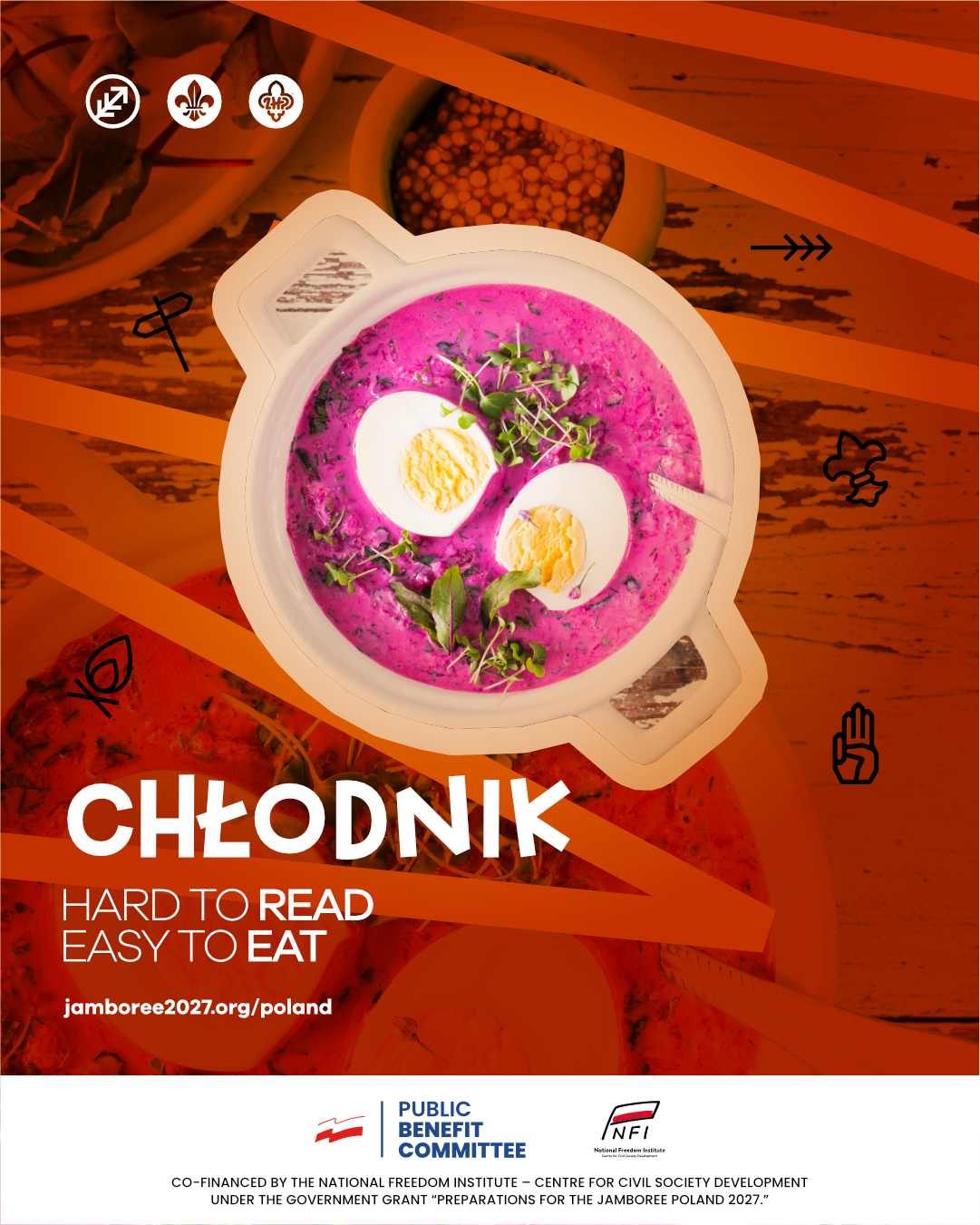
| Bright pink and full of freshness, chłodnik is a chilled beetroot soup that captures the essence of a Polish summer. It’s made with garden vegetables, creamy yoghurt and a touch of dill - light, fragrant and full of colour. In Poland, it’s more than a dish - it’s a ritual of slowing down on a hot day, of gathering around the table and tasting the season. The first spoonful feels like a breeze after a long walk through sunlit fields. |
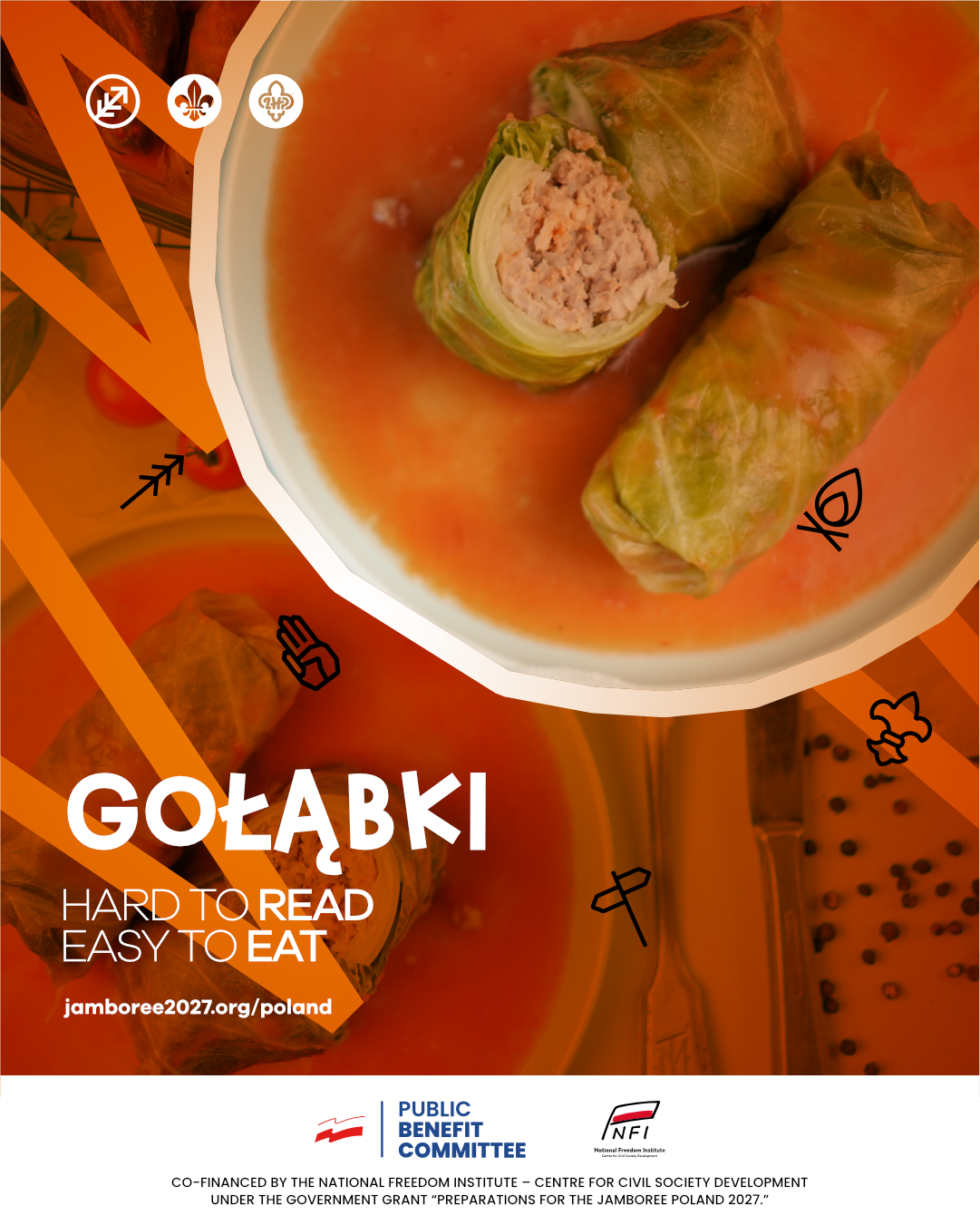
| At first glance, gołąbki may sound strange - it literally means “little pigeons”. But this comforting dish has nothing to do with birds. Cabbage leaves are carefully wrapped around rice and minced meat, then simmered slowly in tomato sauce. It’s a humble, home-cooked meal found on Polish tables for generations, bringing warmth, love and care with every bite. For many, gołąbki taste like childhood and family. |
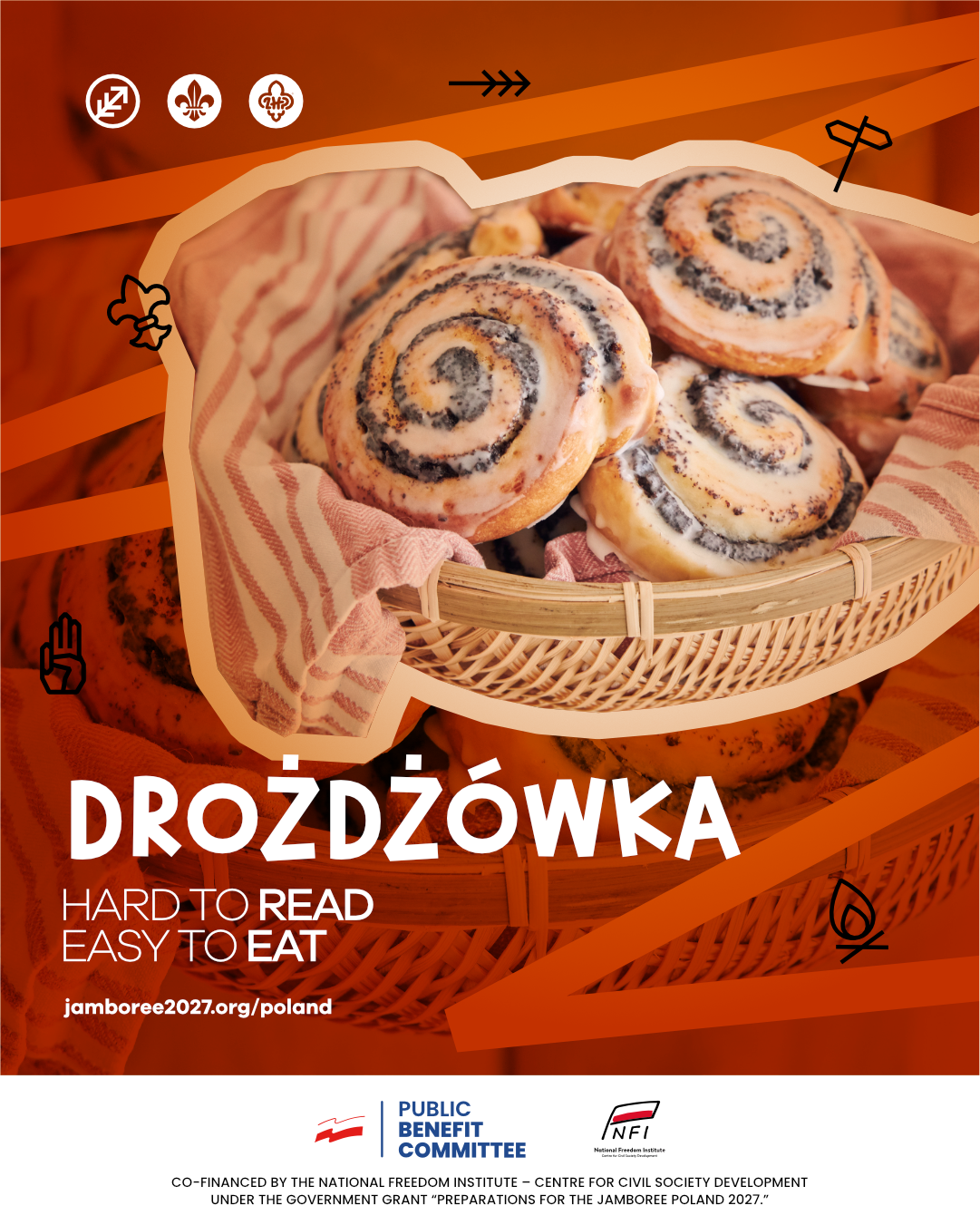
| Soft, golden and filled with fruit or sweet cheese, the drożdżówka is a beloved Polish pastry. You’ll find it in every bakery - eaten on the go, with coffee, or shared at breakfast. For Poles, it’s more than a snack - it’s nostalgia wrapped in dough, a reminder of school mornings, weekend markets and summer holidays. Its sweetness is simple, but it lingers, just like a good memory. |
HARD TO READ, EASY TO
EATHEAR
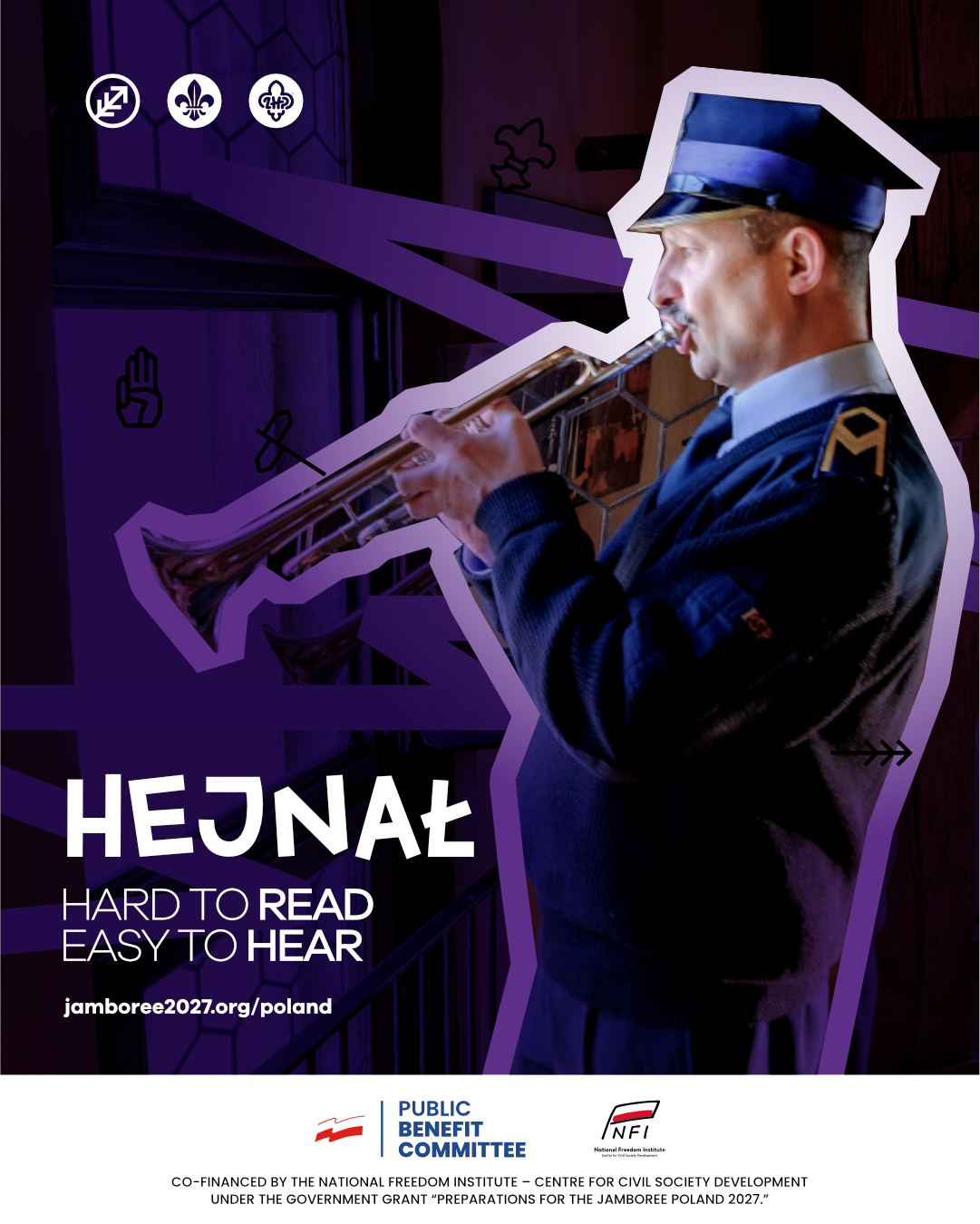
| Every hour, from the tower of St. Mary’s Church in Kraków, the hejnał - a trumpet melody - rises above the city. It’s played by a real trumpeter who stops mid-note, honouring a legend of bravery that has echoed for centuries. The hejnał is more than music - it’s a heartbeat of Polish history, a reminder that courage can live forever in sound. When it plays, Kraków listens, and the world listens with it. |
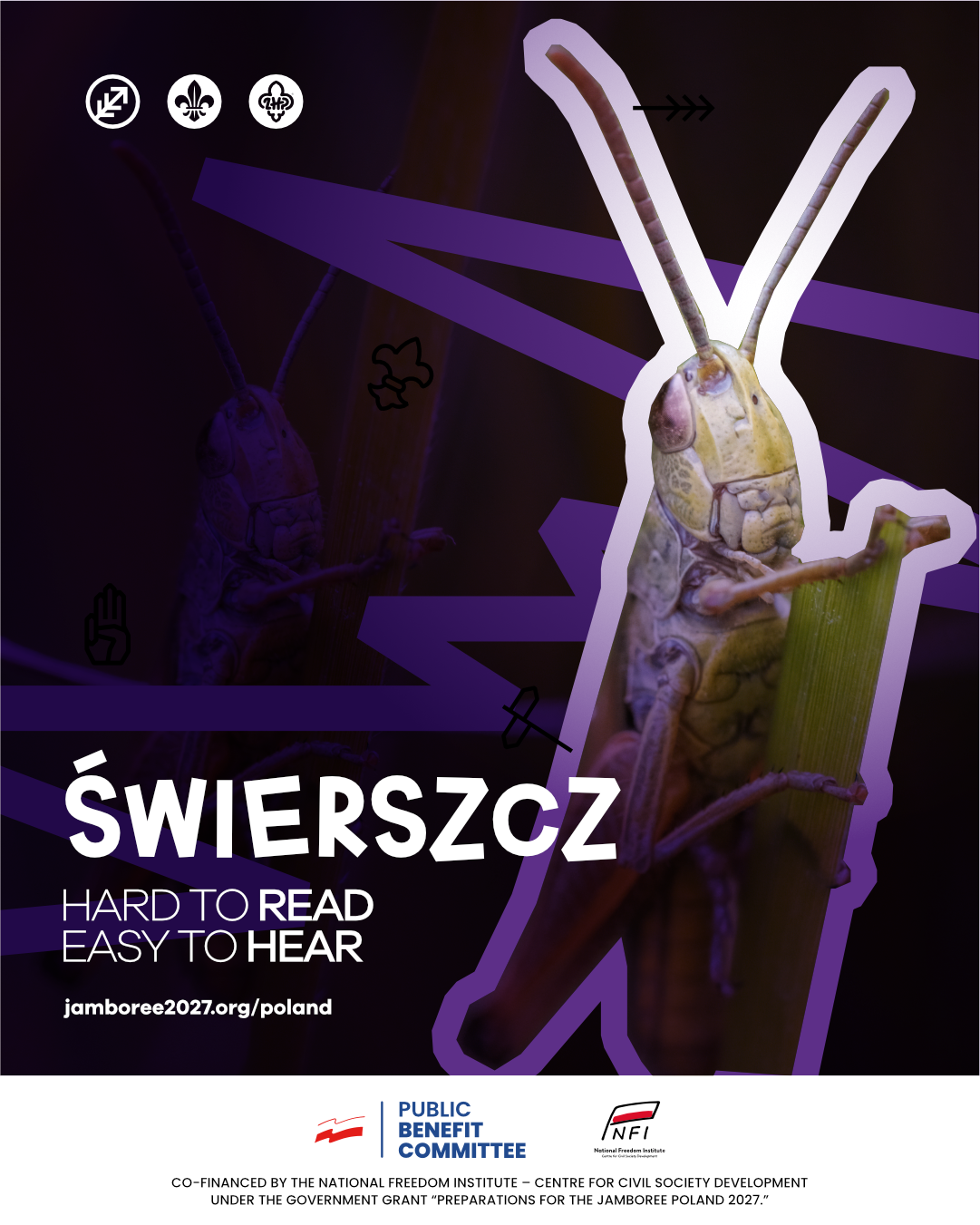
| When evening settles over the Polish countryside, the świerszcz - the cricket - begins its gentle concert. Its rhythmic song fills the air between old barns, haystacks and open fields, blending into the sounds of rural life. It’s a melody of calm, marking the end of a summer day and the timeless dialogue between humans and nature. In its quiet persistence lies something deeply Polish - peace, patience and poetry. |
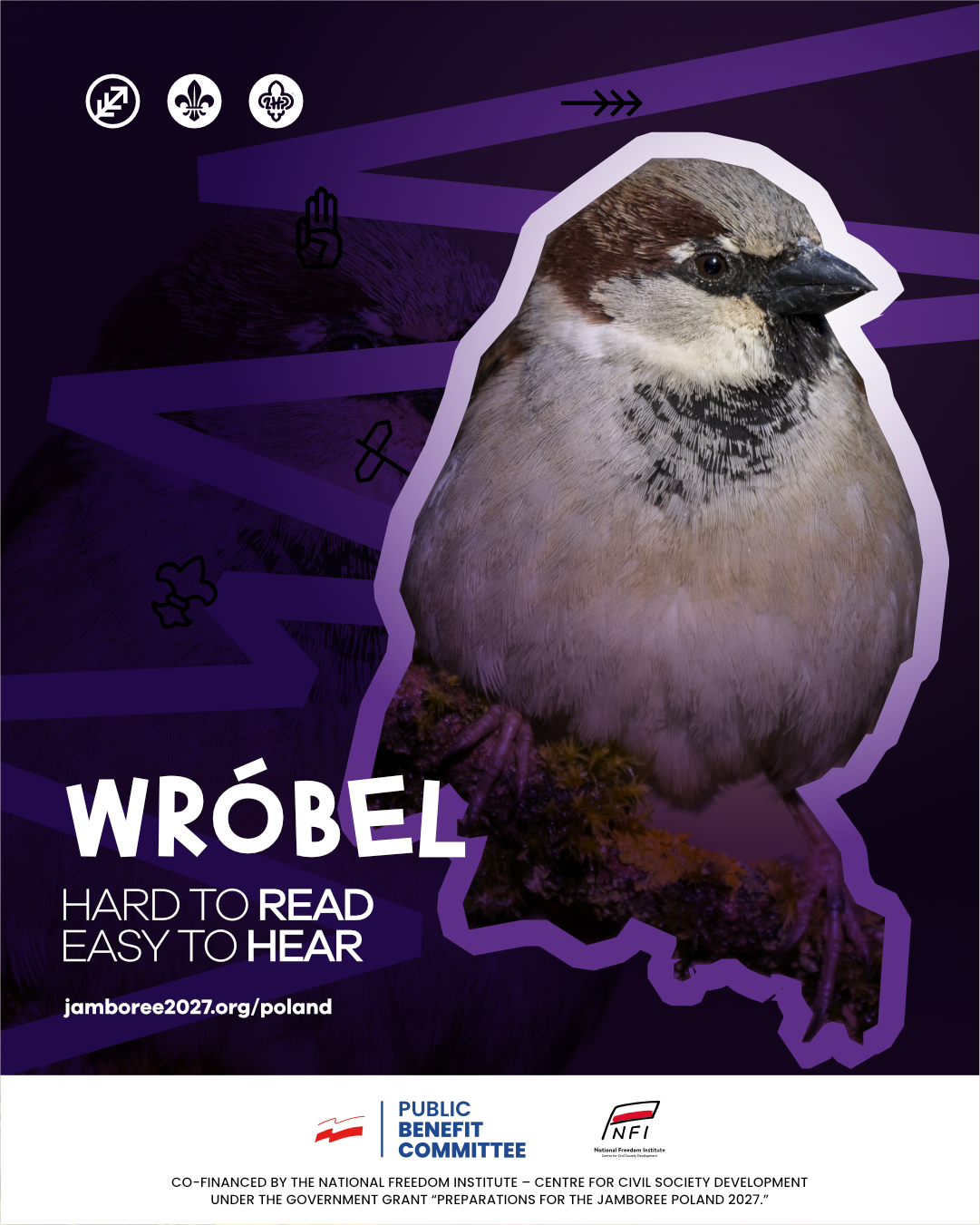
| The wróbel, or sparrow, may be small, but it carries the heartbeat of Polish towns. You’ll hear its cheerful chirping from cobbled courtyards and busy marketplaces, where people stop to chat or share a meal outdoors. It’s a sound so ordinary that it becomes extraordinary - a reminder of everyday life, connection and simple joy. To hear the wróbel is to hear the pulse of home |
| . |
